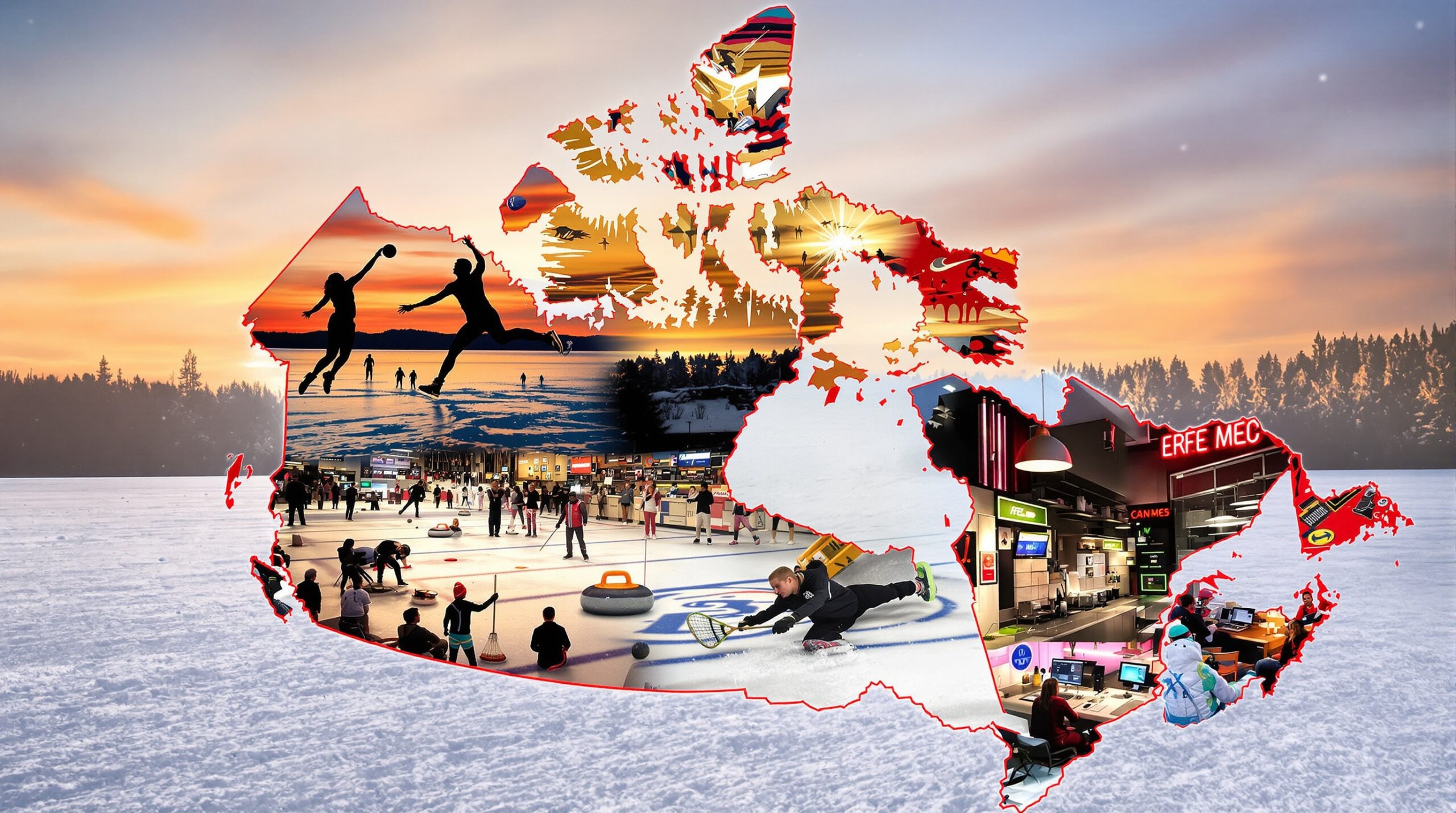
Why Canada Plays the Way It Does: From Pond Hockey to Pixel Powerhouses
Canada’s relationship with games runs deep — tangled in ice, rooted in Indigenous tradition, fueled by community rinks and roaring arenas, and now amplified by digital studios that shape global play. This is more than a list of sports and pastimes; it’s a reflection of climate, history, multiculturalism, and the ways Canadians invent together when they need warmth, competition, or just a reason to gather.
The roots: sport and play long before smartphones
Long before European settlers arrived, Indigenous nations across Turtle Island cultivated rich traditions of play. Games served multiple roles: training for hunting and endurance, settling disputes, storytelling, and spiritual practice. Examples include contests of strength, footraces, and games of strategy — many aimed at testing balance, endurance, and focus. Lacrosse, originating with several First Nations, began as a ceremonial and community sport that could involve hundreds of players and last days.
Recognizing these origins changes how we see Canadian sport culture: many of today’s favourites are continuations and adaptations of older, local practices — competitive, communal, and deeply social.
Ice and snow: how climate shaped a national playbook
Canada’s winters are long, and humans adapt creatively. Frozen ponds and neighbourhood rinks became classrooms for improvisation:
- Hockey: More than a professional sport, pond hockey and shinny are grassroots fixtures. Low-cost, informal, and social, they teach skate-and-stick skills as well as how to work as a team.
- Curling: A sport of precision and camaraderie, curling’s bonspiels are social rites where strategy meets storytelling over hot drinks.
- Winter festival games: From tobogganing to snowshoe races and traditional Inuit games (like the high kick and knuckle hop), winter play emphasizes endurance, balance, and community celebration.
These activities shaped values — grit, teamwork, and a certain tolerance for cold — and produced legends, institutions, and rituals that remain central to Canadian identity.
Summer and field sports: lacrosse, football, and lively backyards
When the thaw comes, the field becomes a different kind of stage:
- Lacrosse: Canada’s national summer sport still carries cultural weight and community pride. It’s fast, physical, and deeply historic.
- Canadian football: With its distinct rules and three-down pace, Canadian football has its own fandom and traditions separate from its American cousin.
- Soccer, baseball, and community leagues: Urban and rural communities host vibrant amateur scenes that often reflect immigrant traditions and new Canadians’ passions.
Backyard pick-up games — whether soccer, volleyball, or ultimate — are where local friendships form and where new forms of play incubate.
Board games, tabletop, and the social living room
Canada’s board game culture is robust. Cafés and community centres host board-game nights, and designers from Toronto to Vancouver have contributed inventive titles to the global hobbyist market. Tabletop roleplaying games and local game nights are important social rituals, offering low-barrier ways to collaborate, create stories, and connect across ages.
Pixels and profit: Canada’s videogame scene
Over the last few decades Canada has become a global hub for game development. Cities from Montreal to Vancouver and Toronto host large studios and thriving indie communities. The country’s strengths include:
- Talent and education: Strong computer science and arts programs feed studios with designers, artists, and engineers.
- International impact: Canadian studios contribute to blockbuster franchises and innovate in narrative-driven and multiplayer experiences.
- Indie energy: Small teams and solo developers across the country are producing original, award-winning titles.
Esports and streaming have also taken hold, with local tournaments and communities that blend competitive play with community-building.
What makes Canadian play distinct?
Several factors combine to produce a uniquely Canadian play culture:
- Geography and climate: Long winters and accessible public spaces created a culture of communal, low-cost play (think outdoor rinks and impromptu games).
- Indigenous influence: Many modern games have roots in or were shaped by Indigenous practices and values, and there’s growing recognition and revival of those traditions.
- Multiculturalism: Immigrant communities bring sports and games from around the world, creating a mosaic of play styles and hybrid traditions.
- Community focus: Whether it’s a curling club, a local rec league, or a game dev meetup, Canadian play often emphasizes inclusion and social connection.
Challenges and changes
No culture is static. Canada faces challenges like unequal access to facilities in remote or low-income areas, the rising costs of organized sport, and the need for greater recognition of Indigenous and women’s sports. Meanwhile, technology is changing participation: esports and online communities expand access but also shift attention away from physical, community-based play.
Policy shifts, grassroots initiatives, and community investing can help balance tradition with innovation — for example, by supporting low-cost youth programs, winter sport infrastructure in the North, and Indigenous-led sporting initiatives.
The future: hybrid games, inclusive fields, and Canadian creativity
Expect continued hybridization: tech-enhanced outdoor sports, augmented-reality experiences, and more intersection between digital and physical play. Canadian creativity — fueled by multicultural influences and educational strength in the arts and technology — positions the country to lead in designing inclusive, community-minded games.
But the core will likely remain the same: Canadians will gather in whatever weather the country offers — on a frozen pond, in a smoky arena, at a summer field, or inside a cramped indie studio — to compete, cooperate, and tell stories together.
Closing: play as national glue
Games in Canada are more than entertainment. They are ways of passing on values, connecting generations, honoring Indigenous history, and inventing futures. From the slap of a stick on pond ice to the click of a controller in a Montreal studio, play is how communities meet the cold, celebrate warmth, and keep rediscovering what being Canadian can mean.